
Tips for Designing a Lush Balcony Garden

Understand Your Balcony’s Microclimate

Track where sunlight lands across morning, noon, and late afternoon. Six hours usually qualifies as full sun, while bright indirect light still suits many plants. Note reflective heat from glass or walls, which can scorch leaves. Share your observations with us, and we’ll help you match plants perfectly.

Understand Your Balcony’s Microclimate

Wind can sap moisture and topple tall containers. Test air currents with a ribbon tied to your railing, then soften gusts using lattice, mesh, or grouped planters. Position taller plants as living windbreaks. Tell us how breezy your balcony gets, and we’ll suggest resilient, wind-adapted favorites.

Understand Your Balcony’s Microclimate

Balconies have load limits, so choose lightweight containers like resin pots, coir-lined baskets, and fabric grow bags. Use compact potting mixes, avoid waterlogged soil, and place heavier planters near structural walls. Check building guidelines, measure carefully, and comment with your layout for personalized ideas.
Plant Selection for Maximum Lushness

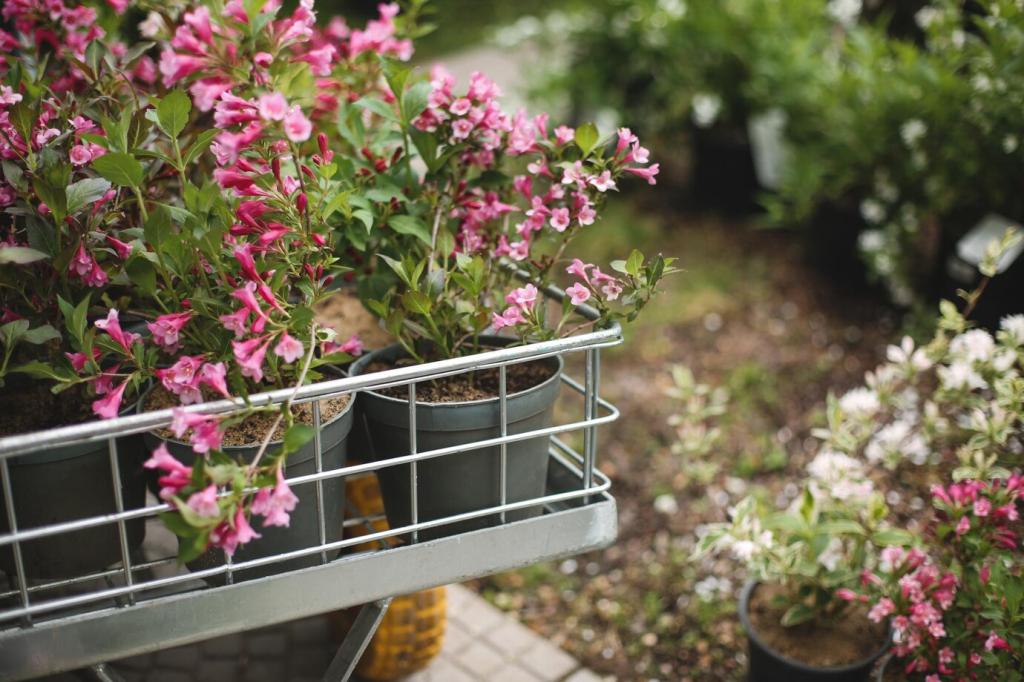
Design containers using a dramatic thriller, generous fillers, and trailing spillers. Try cordyline or canna as thrillers, coleus or basil as fillers, and ivy geranium or sweet potato vine as spillers. This simple trio creates instant abundance. Share your favorite combinations and we’ll feature reader mixes.

Plant Selection for Maximum Lushness

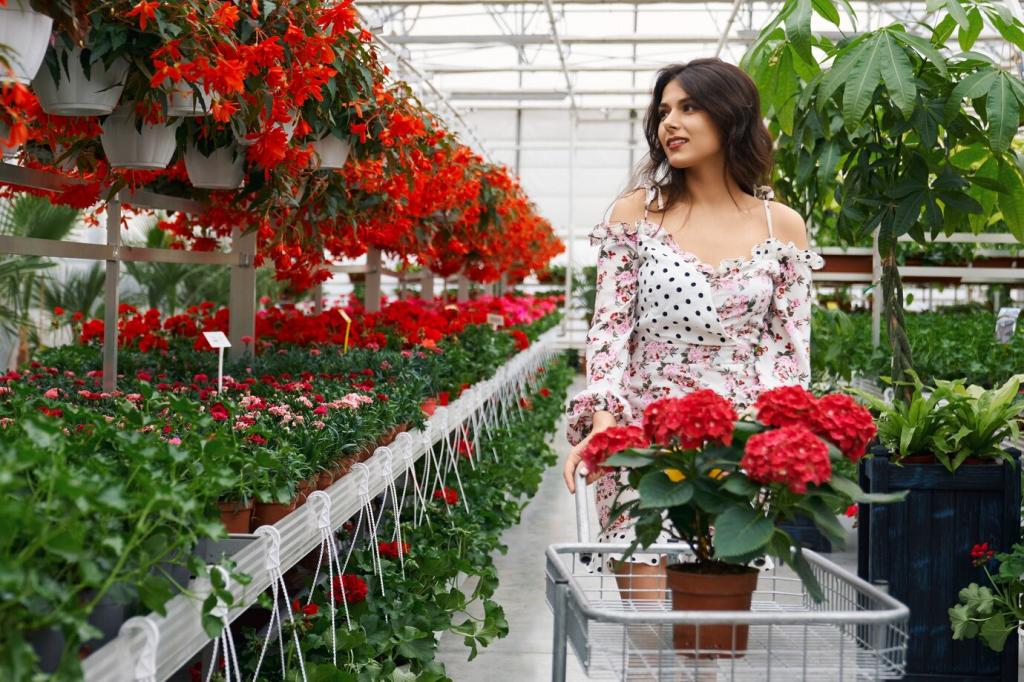
Hot, bright balconies favor Mediterranean herbs, succulents, and drought-tolerant grasses. Shadier spaces welcome ferns, begonias, impatiens, and heuchera. Consider humidity, reflected heat, and seasonal shifts. Post your sun hours and climate zone in the comments, and we’ll recommend a tailored plant palette.

Soil, Water, and Drainage Essentials

Choose the Right Potting Mix

Use a high-quality, peat-free potting mix with ingredients like composted bark, coir, and perlite for airflow and moisture balance. Avoid dense garden soil that compacts in pots. Blend in slow-release fertilizer for steady growth. Comment if you prefer organic blends, and we’ll share favorite recipes.

Watering Routine That Works

Water deeply until excess drains, then let the top inch dry before watering again. In heatwaves, morning watering reduces stress and evaporation. Consider self-watering planters or wicking inserts for consistency. Share your schedule and climate, and we’ll help you fine-tune a sustainable routine.

Drainage Without the Mess

Ensure every container has drainage holes, use saucers or trays to protect flooring, and elevate pots on risers for airflow. Add drainage layers only if necessary; well-structured mix usually suffices. Keep neighbors happy by catching runoff. Tell us your setup, and we’ll suggest neat solutions.

Smart Layout and Vertical Layers

Vertical Gardening Done Right

Use rail-mounted planters, wall pockets, and trellises to lift greens into unused airspace. Anchor supports securely and choose climbers like beans, nasturtiums, or star jasmine. Vertical layers free floor space and create drama. Share a photo of your wall, and we’ll propose a custom vertical plan.

Create Pathways and Cozy Nooks

Even tiny balconies benefit from flow. Place a foldable chair or bench, keep a clear step zone, and cluster containers to frame seating. Layer tall, medium, and trailing plants to cradle your corner. Tell us your balcony dimensions for personalized furniture and planter spacing tips.

Color, Texture, and Fragrance Palette

Pick two or three colors and repeat them for harmony. Mix glossy leaves, velvety foliage, and fine grasses for texture. Add fragrance at different times—lemon basil by day, night-blooming jasmine by evening. Comment with your palette, and we’ll suggest plants that match your mood.

Sustainability and Balcony Wildlife

Invite Pollinators and Birds

Plant nectar-rich blooms like salvia, calendula, and verbena, and let herbs flower to attract bees. Offer a shallow water dish with pebbles for safe sipping. Avoid harsh pesticides that harm beneficials. Tell us which visitors you’ve seen and we’ll suggest supportive plants.

Save Water and Feed the Soil

Mulch with shredded leaves or straw to slow evaporation. Use rainwater if available, and enrich containers with compost or worm castings. Foliar feeding can boost growth during peak seasons. Share your watering constraints, and we’ll help assemble a water-wise care plan.

Reuse, Upcycle, and Reduce Waste

Repurpose crates into planters, refresh old soil by blending in compost, and choose durable, repairable tools. Consider fabric grow bags that fold away off-season. If using graywater, keep soaps mild and infrequent. Post your upcycling wins for a chance to inspire fellow readers.

Year-Round Care and Seasonal Swaps

Harden off seedlings, stake early before winds rise, and deadhead spent blooms to prolong flowering. Feed lightly but consistently during active growth. A simple weekly checklist prevents overwhelm. Share your spring goals, and we’ll help craft a step-by-step action plan.

Personal Touch, Rituals, and Community

Each summer, I set a stool beside the tomatoes, breathe the basil’s lemony scent, and watch bees hop between blossoms. That five-minute ritual reshapes my day. What’s your balcony ritual? Share it so we can celebrate small, steady moments that make gardens feel alive.
Apscontrol
Privacy Overview

This website uses cookies so that we can provide you with the best user experience possible. Cookie information is stored in your browser and performs functions such as recognising you when you return to our website and helping our team to understand which sections of the website you find most interesting and useful.