
Keep Your Balcony Garden Thriving: Watering and Fertilizing Tips
Watering Fundamentals for Containers
The Soak-and-Drain Method
Water slowly until you see a steady trickle from the drainage holes, pause, then repeat once. This saturates the entire root zone, dissolves nutrients evenly, and prevents dry pockets that sabotage fertilizer distribution and plant resilience.
Simple Moisture Checks That Work
Use the finger test to the second knuckle, and lift the pot to learn its dry and wet weights. A moisture meter helps, but your senses are reliable. Adjust watering before leaves droop, not after stress appears.
Avoid Common Watering Mistakes
Tiny sips train shallow roots and starve plants of nutrients. Overfilled saucers suffocate roots. Contrary to a myth, midday droplets rarely scorch leaves; the bigger issue is rapid evaporation that wastes water and reduces fertilizer effectiveness.

Fertilizing Basics You Can Trust
Understanding N–P–K and Leaching
Nitrogen fuels leafy growth, phosphorus supports roots and blooms, and potassium strengthens overall vigor. In containers, nutrients wash out quickly. Plan regular, light feeding rather than rare heavy doses to maintain steady, balanced growth without burns.
Pick the Right Feed for Your Plants
Use a balanced liquid fertilizer for mixed containers, and lighter feeding for herbs with delicate flavors. Combine slow-release granules in spring with gentle biweekly liquid feeds during peak growth to sustain color, blossoms, and steady productivity.
Spot Deficiency and Excess Early
Pale leaves often signal nitrogen shortage; purple tints can indicate phosphorus issues; burnt tips suggest overfeeding. Flush pots with plain water if you overdo it, then resume at a reduced, consistent schedule to keep plants happy.
Water Quality and Helpful Tools
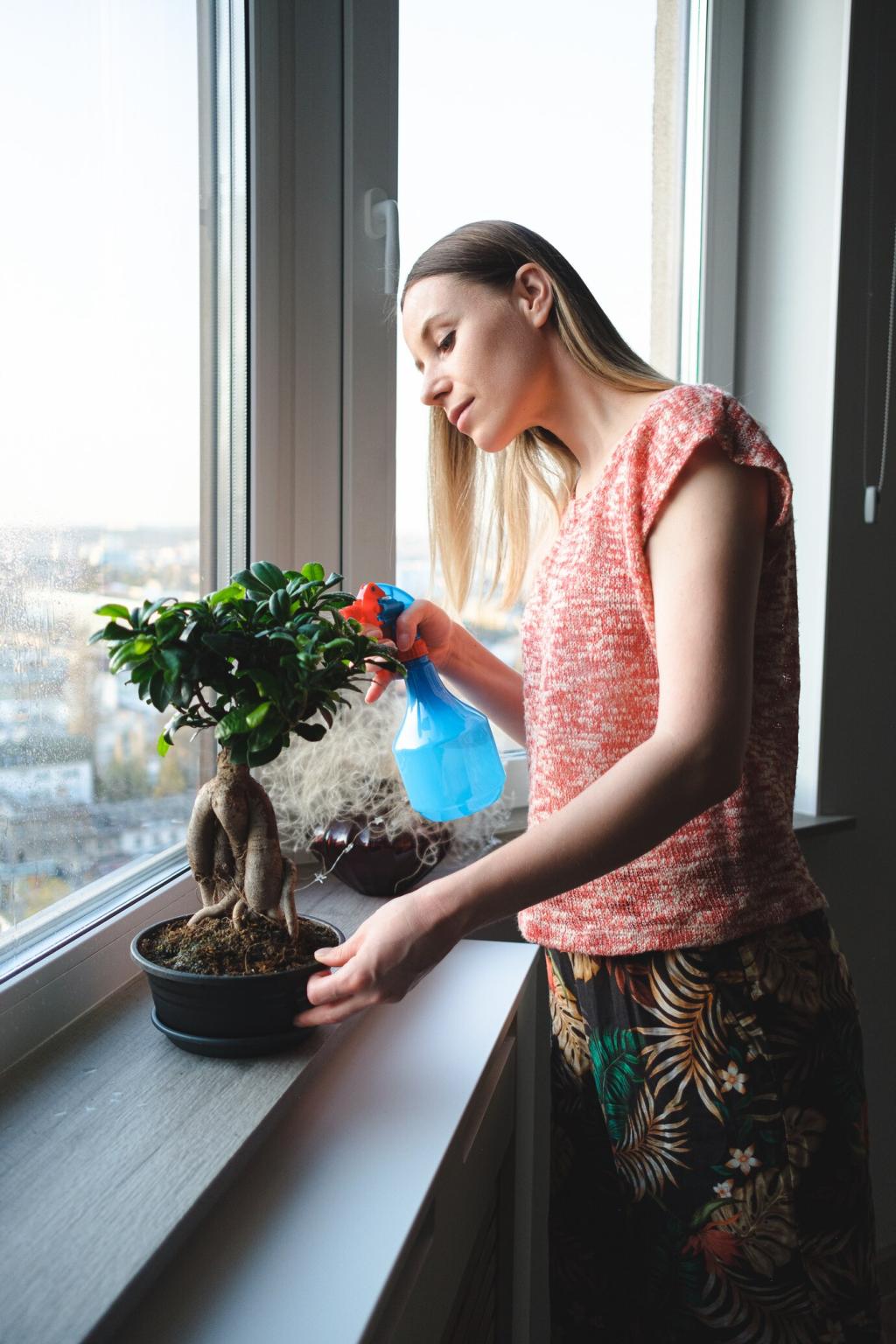
Rainwater is gentle and ideal for containers. If using chlorinated tap water, let it sit overnight so chlorine dissipates. A watering can with a fine rose spreads water evenly, protecting freshly fertilized soil from eroding.
Refresh the top few centimeters of potting mix, add slow-release fertilizer, and repot root-bound plants. As days lengthen, increase watering slightly. Start light liquid feeds once new growth appears to build momentum without overwhelming tender roots.
Seasonal Adjustments That Pay Off
Soil and Amendments for Moisture and Nutrition
Use a high-quality, peat-free mix with ingredients like compost, coco coir for water retention, and perlite for drainage. Avoid garden soil in pots. Healthy structure prevents waterlogging, keeps oxygen flowing, and distributes nutrients evenly.
Create a Simple Care Calendar
Schedule watering checks, biweekly liquid feeds, and a monthly flush on your phone. Quick notes about weather, plant responses, and fertilizer strength build insight, helping you fine-tune care and avoid repeating small but costly mistakes.
Daily Balcony Check Ritual
Each morning, feel the soil, lift a few pots, and scan leaves for color and turgor. These tiny observations guide whether to water, feed, or wait, saving effort and keeping nutrient levels steadier for consistent growth.
Share, Ask, and Subscribe
Tell us what’s thriving and what’s drooping on your balcony, and ask questions about watering schedules or fertilizer choices. Subscribe for weekly balcony-specific prompts, and help a neighbor grow better tomatoes with your hard-earned watering wisdom.